
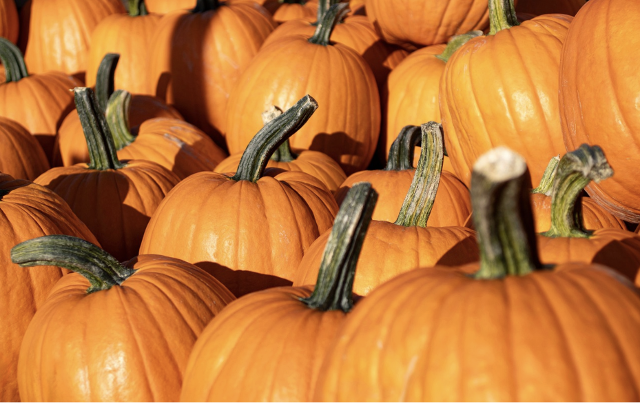
How Pumpkins Became Symbols
The first jack-o’-lanterns were not pumpkins. In Ireland and parts of Britain, people carved frightening faces into turnips and other root vegetables. The pumpkin’s familiar grin came later, after an American crop met an older tradition. That unlikely pairing helped turn an everyday food into one of the world’s most recognizable holiday symbols.
But the glowing face tells only part of the story. Pumpkins also stand for harvest, abundance, home, and transformation. Their meaning grew through farming, migration, storytelling, and advertising—each adding another layer to a vegetable that was already useful long before it became decorative.
A Food Before It Was an Emblem
Pumpkins belong to a group of squash domesticated in the Americas thousands of years ago. Archaeological evidence from Mexico places the cultivation of some squash species roughly 10,000 years in the past. The pumpkins sold in grocery stores are part of that long agricultural history, though their ancient relatives did not necessarily look or taste the same.
Get The Latest News!
Don't miss our top stories and need-to-know news everyday in your inbox.
Indigenous peoples developed many varieties of squash and used their flesh and seeds for food. In some communities, squash grew alongside corn and beans in planting systems often called the Three Sisters. The crops supported one another: corn provided stalks for climbing beans, while broad squash leaves helped shade the ground.
Practices varied among nations and regions. Still, squash had an important place in many Indigenous food systems before European colonists arrived.
That practical value matters to the pumpkin’s later symbolism. A crop that can grow large, feed a household, and keep after harvest is well suited to represent plenty. Its connection to abundance began with what it could actually provide.
Why a Pumpkin Became a Lantern
The jack-o’-lantern tradition developed from several overlapping customs and stories rather than one clearly documented invention.
In Ireland and parts of Britain, people made lanterns from hollowed root vegetables. Some carved faces into them for Halloween festivities or mischief. Halloween itself developed through a mix of Christian observances and older regional traditions, including customs associated with the Gaelic festival of Samhain.
The name “jack-o’-lantern” originally referred to a mysterious light seen over marshy ground, also called a will-o’-the-wisp. Folklore offered explanations for these eerie lights. One Irish tale concerned a trickster commonly known as Stingy Jack, who outwitted the devil but was eventually denied entry to both heaven and hell. He wandered with an ember lighting his way.
Versions of the tale differ, and the neat origin story often told now simplifies a messier history. Still, wandering spirits, strange lights, and carved lanterns became closely linked.
As Irish and other immigrants brought Halloween customs to North America, pumpkins offered a useful alternative to turnips. They were available, often larger, and generally easier to hollow out. Their broad surfaces also gave carvers room for expressive faces.
The pumpkin did not create the tradition. It gave the tradition a new form.
From Mischief to a Shared Celebration
During the nineteenth and twentieth centuries, Halloween in the United States developed into a larger public and commercial celebration. Parties, costumes, neighborhood activities, and eventually widespread trick-or-treating helped establish its familiar imagery.
The carved pumpkin worked especially well as a symbol. It was simple enough for children to draw and flexible enough to look friendly, foolish, or threatening. A few triangles and a jagged mouth could turn a plain orange circle into something instantly recognizable.
Placed beside a front door, a jack-o’-lantern also became a social signal. It could suggest that a household was participating in Halloween, welcoming visitors, or simply enjoying the occasion. The object was not only decoration; it helped people communicate without speaking.
Mass-produced decorations spread that visual language further. Plastic candy buckets, greeting cards, cartoons, and shop displays repeated the same orange face until the pumpkin became almost shorthand for Halloween itself.
The Harvest Symbol Beside the Frightening Face
An uncarved pumpkin usually sends a different message.
Stacked beside baskets of apples or arranged on a dining table, it suggests harvest and abundance rather than ghosts. Its rounded shape, substantial size, and warm color make it an effective symbol of a successful crop.
In the United States, pumpkins also became closely associated with Thanksgiving, especially through pumpkin pie. However, the idea that a modern pumpkin pie appeared at the 1621 Plymouth harvest gathering is not supported by surviving accounts. Pumpkins and squash were available, but the familiar pastry belongs to a later culinary history.
By the nineteenth century, pumpkin pie was firmly linked with New England domestic life and Thanksgiving celebrations. Cookbooks, magazines, and family traditions strengthened that association.
This helps explain why the same vegetable can carry two different moods. Carve it and light it from within, and it becomes eerie or playful. Leave it whole beside food and flowers, and it suggests hospitality, comfort, and plenty.
Cinderella and the Promise of Transformation
Pumpkins gained another symbolic role through Cinderella.
In Charles Perrault’s influential 1697 version of the fairy tale, a fairy godmother turns a pumpkin into a magnificent coach. Later illustrations, stage productions, and films helped make that transformation famous.
The choice is memorable because it is so unexpected. A large, earthbound vegetable becomes an elegant vehicle. The pumpkin represents ordinary material hiding extraordinary possibilities.
Yet the transformation has a deadline. When the magic ends, splendor returns to its humble starting point. That tension gave English the informal expression “turn into a pumpkin.” Someone leaving a gathering might joke, “I’d better go before I turn into a pumpkin,” meaning it is getting late or their time is up.
“Pumpkin” also became an affectionate nickname, especially for a child or loved one. In that setting, its associations are warmth, roundness, and familiarity—not fright.
How Marketing Made the Meaning Stronger
Businesses did not invent the pumpkin’s symbolic power, but they learned to use it.
Pumpkin-flavored products draw on associations already built through pie, family meals, and celebrations. The appeal often depends as much on memory as on taste.
“Pumpkin spice” illustrates this clearly. The phrase usually refers to a blend of spices associated with pumpkin pie, commonly including cinnamon, ginger, nutmeg, and cloves. A product described that way may contain pumpkin, but the spice name alone does not guarantee it.
A drink, candle, or hand soap can therefore evoke pumpkin pie without resembling the vegetable itself. The pumpkin has become a shortcut to an entire set of feelings.
That shortcut is easy to notice in daily life. A grinning pumpkin on a candy package signals Halloween. A plain pumpkin on a bakery box suggests homemade comfort. A pumpkin coach on an invitation points toward fairy-tale glamour.
Reading the Symbol
The simplest way to understand a pumpkin’s meaning is to look at its surroundings. Is it carved or whole? Is it paired with a skeleton, a pie, or a sparkling carriage? Those details tell you which part of its history is being used.
Pumpkins became symbols because people kept finding new uses for both the crop and its image. Food became a sign of abundance. A hollow shell became a lantern. A fairy-tale prop became a promise of transformation. Their lasting appeal comes from that flexibility: the same familiar shape can offer a welcome, tell a story, or give a small, glowing face to our fears.
Send your news tips to news@edglentoday.com or on twitter @EdGlenTodayNews


