
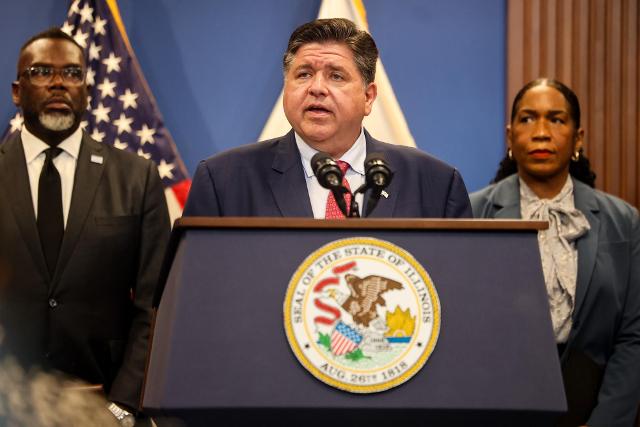
 CHICAGO — Today, Governor JB Pritzker signed a package of legislation that protects some of the most vulnerable Illinoisians. This includes expanding safeguards for older adults, people with disabilities, children who are deaf or hard of hearing, and individuals with serious mental illness. Together, these measures promote independence, safeguard against exploitation, improve access to critical services, strengthen oversight, and help ensure Illinoisans receive the support and protection they deserve at every stage of life.
“Every Illinoisan deserves the opportunity to thrive," said Governor JB Pritzker. "These new laws strengthen protections for children, older adults, and people with disabilities by helping prevent exploitation, expanding access to care, and empowering individuals to make informed decisions about their own lives. Illinois continues to lead by putting people first."
Get The Latest News!
Don't miss our top stories and need-to-know news everyday in your inbox.
"These laws expand access to services, safeguards and opportunities that make life easier for our most vulnerable Illinoisans," said Lieutenant Governor Juliana Strattton. "In Illinois, we'll continue prioritizing the rights and dignity of every resident and ensure necessary protections are accessible for our most vulnerable communities."
Governor Pritzker signed the following measures into law:
- HB 1783: Supporting language development for deaf, hard of hearing, and DeafBlind children (Rep. Mussman/Sen. Cappel), effective immediately
- HB 4509: Strengthening care for nursing home residents with serious mental illness (Rep. Grasse/Sen. Koehler), effective January 1, 2027
- HB 4649: Strengthening protections for older adults experiencing abuse, neglect, or financial exploitation (Rep. Gong-Gershowitz/Sen. Stadelman), effective immediately
- HB 4728: Increasing transparency and accountability for congregate care facilities serving people with developmental disabilities (Rep. Faver Dias/Sen. Cervantes), effective July 1, 2027
- HB 4911: Protecting older adults from financial exploitation (Rep. Stuart/Sen. Lightford), effective July 1, 2027
- HB 5365: Expanding supported decision-making for adults with disabilities and mental health conditions (Rep. Mussman/Sen. Feigenholtz), effective January 1, 2027
Together this package of legislation reinforces Governor Pritzker’s goal of improving the lives of all Illinoisians, giving these communities the protections and opportunities they deserve.
Giving Every Child a Strong Start
Every child deserves the opportunity to develop the language skills that they need to be successful.
HB 1783 strengthens early intervention and support for children who are deaf, hard of hearing, or DeafBlind by:
- Creating a statewide framework to monitor language development from birth through age five.
- Connecting families with developmental milestones, language assessments, and early intervention resources.
- Establishing an advisory committee to develop language and communication milestones and bolster statewide assessment programs
“Children thrive when families, providers, and communities are in strong partnership. This bill reflects Illinois’ commitment to ensuring that children who are deaf, hard of hearing, or DeafBlind – and the people who care for them – have access to consistent, high-quality supports during the earliest years,” said Dulce M. Quintero, IDHS Secretary. “When children can build strong language and communication skills early, they are better positioned to learn, connect, and pursue the opportunities they choose throughout their lives.”
“This law is a crucial step forward for the rights of children who are deaf, and it allows them to have alternate ways of learning,” said State Senator Meg Loughran Cappel (D-Shorewood). “We want every student to have educational success, which means Illinois’ education system must meet the needs of children who are deaf and hard of hearing.”
Protecting Illinois Seniors
HB 4649 strengthens protections for older adults experiencing abuse, neglect, or financial exploitation by:
- Allowing courts to issue temporary restraining orders on behalf of elderly adults in cases of abuse, neglect, or financial exploitation.
- Providing additional legal tools to help protect vulnerable older adults from further harm.
“Protecting vulnerable adults often requires immediate action, especially when bad actors are attempting to drain financial accounts or manipulate victims,” said State Senator Steve Stadelman (D-Rockford). “By strengthening the tools available to courts and law enforcement, this law will help stop exploitation sooner, improve accountability and provide greater peace of mind for older adults and their families.”
“Financial scammers can quickly wipe out the savings that Illinois residents have worked their entire lives to build up,” said State Rep. Jennifer Gong-Gershowitz (D-Glenview). “This bipartisan legislation empowers law enforcement and the judiciary to quickly intervene in potential cases of financial exploitation, protecting seniors and their assets from bad actors looking to take advantage of them.”
HB 4911 strengthens protections against elder financial abuse by:
- Creating a Department on Aging online portal to receive reports of suspected financial exploitation and abuse.
- Allowing financial institutions to temporarily pause suspicious transactions when exploitation is suspected.
- Permitting financial professionals to contact a trusted family member or representative to help prevent financial abuse.
“Financial institutions can play a key role in preventing and detecting elder financial exploitation,” said Illinois Department on Aging (IDoA) Director Mary Killough. “Their familiarity with their customers’ banking patterns puts them in a position to spot irregular transactions, account activity or behavior. This allows authorities to intervene earlier, before the money is gone and can’t be recovered.”
“Our seniors are one of our most vulnerable populations,” said House Assistant Majority Leader Katie Stuart, D-Edwardsville. “Often, they are taken advantage of financially and physically. By creating more safeguards and protections, we'll be able to protect cases of fraud and abuse earlier and ensure perpetrators are held accountable.”
“Financial exploitation is one of the most insidious forms of abuse our seniors and adults with disabilities face, often carried out by people they trust," said Senate Majority Leader Kimberly A. Lightford (D-Maywood). “House Bill 4911 gives banks, credit unions and financial advisers the tools and legal protection they need to step in and sound the alarm before someone's life savings disappear. This law ensures that when something looks wrong, the people best positioned to notice can act — without fear of liability — to protect our most vulnerable residents."
“This bill protects our most vulnerable residents from financial predators who are becoming more aggressive, more sophisticated and more dangerous every year,” said Secretary of State Alexi Giannoulias, whose office regulates securities in the state. “By strengthening consumer safeguards, we can protect older Illinoisans from becoming victims in the first place.”
“Financial exploitation can have life-altering consequences, which is why proactive measures like HB 4911 are so important,” said Illinois Department of Financial and Professional Regulation (IDFPR) Secretary Mario Treto, Jr. “For years, IDFPR has partnered with the Illinois Department on Aging to help train financial institution employees to recognize and report signs of elder financial exploitation. This law builds on that longstanding collaboration by providing additional tools to safeguard consumers, support responsible financial institutions, and help prevent fraud before it causes irreversible harm.”
Strengthening Support for Illinoisans Suffering from Mental Illness
HB 4509 strengthens protections for nursing home residents living with serious mental illness by:
- Requiring earlier follow-up visits after admission to a nursing home.
- Mandating evaluations within 72 hours of a significant change in a resident's physical or mental condition.
- Aligning Illinois law with federal standards to help ensure residents receive timely, appropriate care and support.
“With this bill, Illinois is ensuring a high standard of care for those with mental illness who are living in nursing homes. Strengthening and aligning these standards with federal requirements will allow vulnerable populations to receive the care they need to live with dignity in the most integrated setting appropriate to their needs and choices,” said Dulce M. Quintero, IDHS Secretary.
“Careful care of our most vulnerable population sends a clear message that even as you age, our state will allow you to do so with grace and dignity,” said State Senator Dave Koehler (D-Peoria). “This law ensures that those who are in nursing home care living with a serious mental illness receive the proper help and mental health review so they can return to a life of comfort without being a threat to those around them.”
“How we care for those facing the greatest obstacles reflects our values as a state. Every person living with mental health challenges deserves consistent, compassionate care and the dignity that comes with it,” said State Rep. Nicolle Grasse (D-Arlington Heights). “This legislation establishes clear expectations for DHS caregivers and strengthens accountability to ensure residents in nursing homes receive the support their conditions require. By improving faster access to needed mental health care, we can deliver better outcomes and a higher quality of life for people across Illinois. This is about responsibility, and in Illinois, we are setting a standard of care that ensures no one is overlooked and no one is left behind.”
Protecting and Empowering Adults with Developmental Disabilities
HB 4728 strengthens transparency and accountability for providers serving people with developmental disabilities by:
- Requiring congregate care facilities and developmental disability providers to disclose ownership by an asset management company or pending sale to one.
- Reporting certain business and financial information to the Health Facilities and Services Review Board.
- Improving oversight and transparency to help ensure quality care for Illinoisans with developmental disabilities.
“Our disability service systems must be accountable to the people they serve,” said State Senator Javier Loera Cervantes (D-Chicago). “With more transparent information about agencies’ ownership, lawmakers and regulators will be in a stronger position to ensure our most vulnerable residents are protected from losing the services they need and can continue to lead fulfilling lives.”
HB 5365 expands supported decision-making and promotes greater independence for adults with disabilities by:
- Expanding supported decision-making agreements to all adults, including those with disabilities, dementia, and mental health conditions.
- Requiring courts to consider supported decision-making as a less restrictive alternative before appointing a guardian.
- Preserving autonomy while allowing courts to suspend or terminate agreements when necessary.
“The goal is to prioritize an individual’s autonomy in making personal decisions about their own life,” said State Senator Sara Feigenholtz (D-Chicago). “Everyone has the right to self-determination in important life decisions. By expanding this model of support, we are providing people with more control over their own decision-making.”
“Supported Decision-Making works because it empowers people to make their own choices instead of assuming they can’t,” said State Representative Michelle Mussman (D-Schaumburg) “HB 5365 extends that empowerment to more adults across Illinois — including older adults and people with behavioral health needs — while adding real safeguards to keep the process safe. I’m proud this passed the House unanimously.”
“This bill reflects a fundamental truth: people with disabilities deserve every opportunity to make their own decisions, with support from people they trust,” said Director of Illinois Guardianship and Advocacy Commission (IGAC) Tracey B. Fleming. “For too long, guardianship has been seen by some as the default. This legislation affirms Illinois’ commitment, as a matter of public policy, that more restrictive options like state guardianship plenary guardianship remain a last resort.”
"With Supported Decision Making, I can make my own decisions. This law is just the beginning of a new era of disability rights. I want to thank all the legislators who voted unanimously for this law," said Erin Compton, an Illinois self-advocate.
“Illinois is taking a significant step toward respecting the autonomy of all people with disabilities," said Sally Balch Hurme, attorney and nationally recognized guardianship reform expert, former senior policy attorney at AARP. “This law reflects what national best practice has long recognized that people deserve to make their own decisions, with support, rather than having that right taken away by an overbroad guardianship order. Illinois joins a growing number of states that are putting self-determination first”
Send your news tips to news@edglentoday.com or on twitter @EdGlenTodayNews


