
 This Day in Sports History: September 2
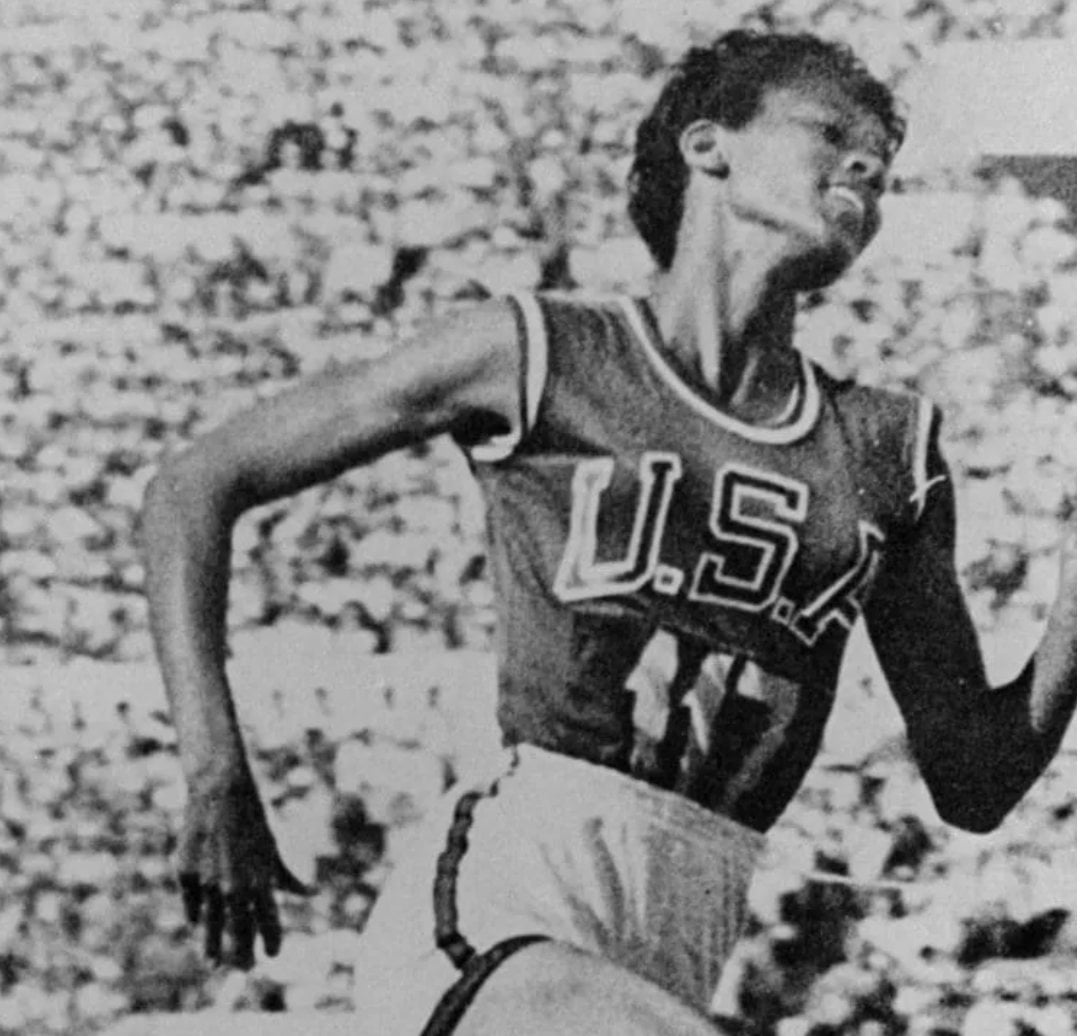
On Sept. 2, 1960, Wilma Rudolph began the golden stretch that made her one of the defining athletes of the Rome Olympics. The 20-year-old American won the women’s 100 meters, taking the first of three gold medals she would earn at the Games. Her victory mattered far beyond one race. Rudolph had overcome childhood polio and wore a leg brace as a girl before becoming the world’s fastest woman on the Olympic stage. Her 100-meter triumph came on a remarkable day for middle-distance running as well: New Zealand’s Peter Snell won the men’s 800 meters for the first Olympic title of his career. Snell later added 800- and 1,500-meter gold medals in Tokyo in 1964, while Rudolph added Olympic titles in the 200 meters and the U.S. 4x100-meter relay. Rome’s Sept. 2 finals helped establish both runners as enduring symbols of track and field excellence.
The history of playing after dark reaches back to Sept. 2, 1880, when department-store teams from Boston played an experimental baseball game under electric lights near Nantasket Beach in Hull, Massachusetts. Three 100-foot wooden towers held arc lamps intended to illuminate the field. The exhibition was as much a demonstration of new electrical technology as a ballgame, and the lighting was not yet practical enough to reshape the sport overnight. Still, it was a significant early step. Baseball would eventually become a night-time attraction for millions, beginning with the first modern major league night game in Cincinnati in 1935. The Nantasket experiment showed decades earlier that the sport did not have to end when the sun went down.
Get The Latest News!
Don't miss our top stories and need-to-know news everyday in your inbox.
On Sept. 2, 1927, Babe Ruth became the first major leaguer to hit 400 career home runs when he connected for the New York Yankees against the Philadelphia Athletics. It was another landmark in the power revolution Ruth had already helped create. At a time when the home run was becoming baseball’s most dramatic offensive play, Ruth had set standards other sluggers could only chase. He was also in the middle of his unforgettable 1927 season, when he broke his own single-season record with 60 home runs and helped lead the Yankees to a World Series sweep. The 400th homer showed that Ruth’s influence was not limited to one extraordinary season; he had transformed the scale of baseball’s career record book.
Golf’s biggest prize came down to a tense match-play finish on Sept. 2, 1940. Byron Nelson defeated Sam Snead, 1-up, in the 36-hole final at Hershey Country Club to win his first PGA Championship. Nelson had held an early advantage, but Snead fought back and led late in the afternoon round. Nelson answered with clutch play over the final holes, including a short wedge approach at the 35th hole that helped him take the lead before he secured the match. The result joined two central figures of American golf in a major championship final and gave Nelson the first of his two PGA Championship victories. It also came before the championship adopted stroke play in 1958, a reminder of an era when golf’s major titles could hinge on head-to-head holes rather than a four-round total.
Chicago and St. Louis shared a memorable baseball afternoon on Sept. 2, 1965, when Cubs star Ernie Banks hit the 400th home run of his career against the Cardinals at Wrigley Field. Banks became the 11th player in major league history to reach the milestone. The achievement was especially fitting for a player whose career had already included a transition from star shortstop to first baseman while his offensive production remained elite. Banks would finish with 512 home runs, still the most in Cubs history. His milestone homer also added a lasting chapter to a rivalry that has long connected fans across Illinois and the St. Louis region. Although Banks never appeared in a postseason game, his career power and upbeat personality made him one of the most recognizable players in franchise history.
Seven years later, Wrigley Field was the setting for one of baseball’s most painful near-perfect games. On Sept. 2, 1972, Cubs right-hander Milt Pappas no-hit the San Diego Padres in an 8-0 victory, but he was denied a perfect game with two outs in the ninth inning. Pinch-hitter Larry Stahl worked a walk after falling behind 1-2 in the count, ending Pappas’ bid to retire all 27 batters. Pappas quickly recovered, getting Garry Jestadt to pop out to second baseman Carmen Fanzone for the final out. The performance remains part of Cubs no-hitter history, but its enduring drama is the one walk. It captured how narrowly a pitcher’s greatest possible game can turn into a brilliant, but slightly different, achievement.
On Sept. 2, 1990, Dave Stieb finally completed the no-hitter that had eluded him through several agonizing close calls. The Toronto Blue Jays ace shut down Cleveland, 3-0, for the first and still only no-hitter in Blue Jays history. Stieb had previously taken no-hit bids deep into the ninth inning, including multiple one-hitters in which the decisive hit came with two outs. This time, he walked four, struck out nine and finished the 123-pitch masterpiece when Jerry Browne lined out to right fielder Junior Felix. The game gave Stieb a signature moment in a career that made him one of the American League’s leading pitchers of the 1980s. For the Blue Jays, it became a foundational piece of franchise history before the club’s World Series championships later in the decade.
Send your news tips to news@edglentoday.com or on twitter @EdGlenTodayNews


